
How vacuum electron-beam printing supports porous titanium orthopedic products and scalable production.
Electron-beam powder bed fusion has matured from a research process into a manufacturing route for regulated orthopedic products. The technology can combine dense load-bearing regions with controlled porous surfaces intended to encourage biological fixation.
An integrated production chain
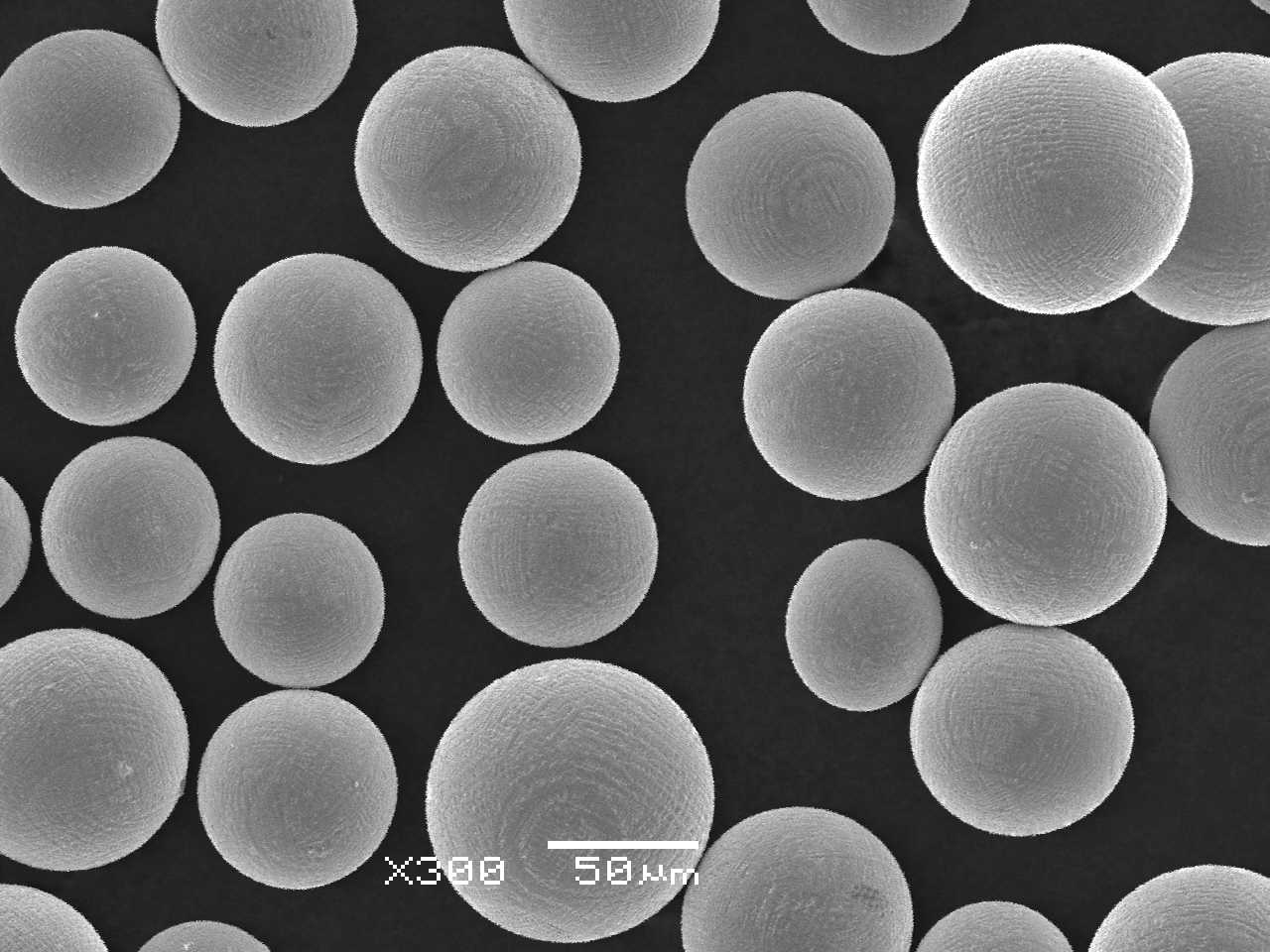
Reliable implant programs depend on more than a printer. Qualified powder, equipment, software, scan strategy, process monitoring and verification must work together. Titanium alloys, tantalum and zirconium-niobium materials expand the available design space across hip, knee, spinal and maxillofacial applications.
Why electron-beam processing fits
Vacuum limits atmospheric contamination, elevated build temperature reduces residual stress, and the energy source supports productive manufacture of nested components. Dimensional accuracy, chemistry, mechanical properties and pore architecture still require validation for the intended medical device.
A coordinated material-equipment-process approach shortens development cycles and provides a clearer path from concept to repeatable production.
Planning a related powder or additive manufacturing program? Talk with our engineering team →