
Why additive manufacturing is opening new routes for complex molybdenum and molybdenum-composite parts.
Molybdenum is indispensable in high-temperature and energy systems, but manufacturing thin passages and intricate thermal components by conventional means is challenging. Additive manufacturing changes the design constraint by building geometry layer by layer.
Opportunities and obstacles
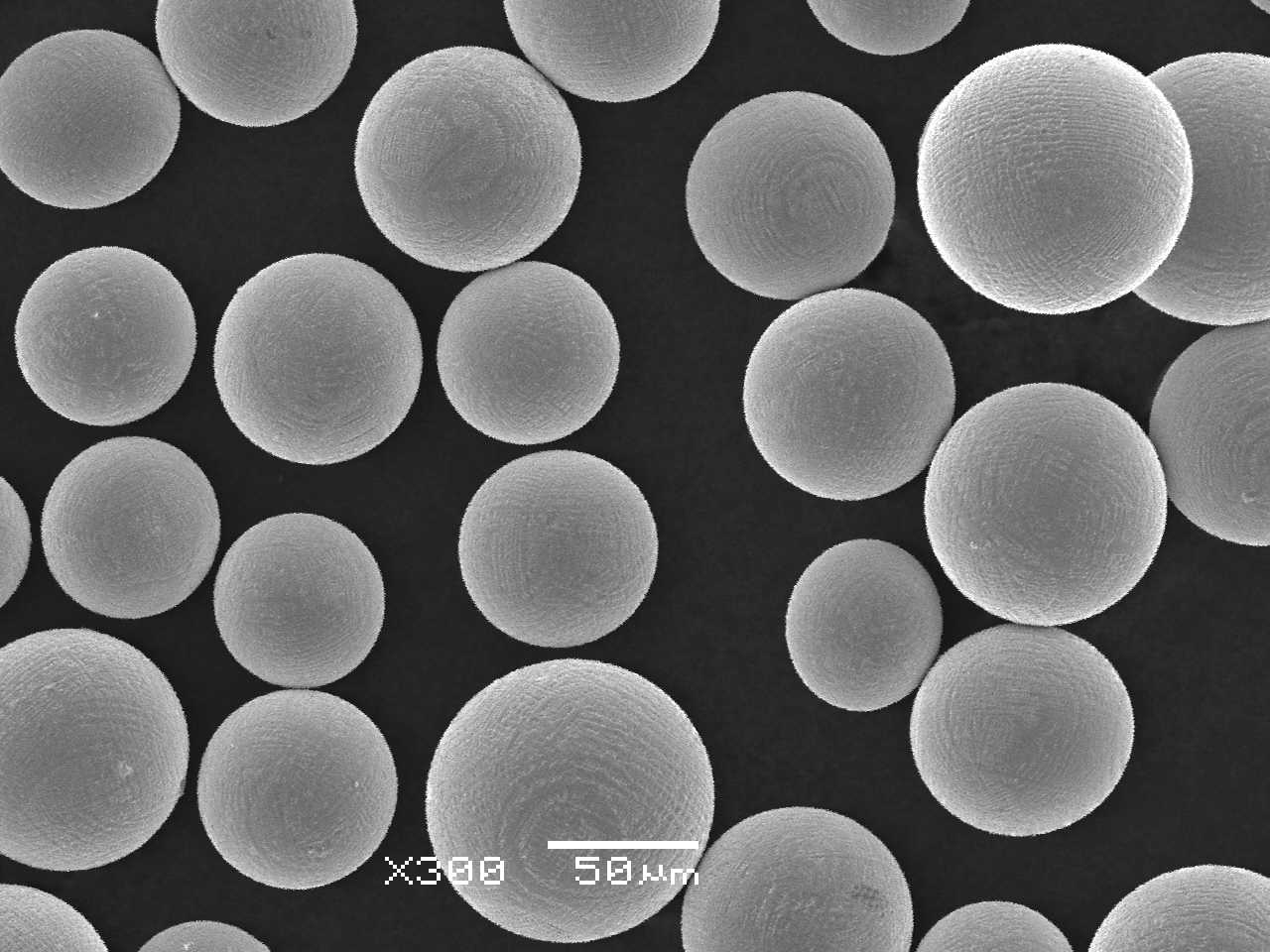
Complex heat exchangers and thermal-management structures become feasible, yet pure molybdenum can crack or retain defects when processing conditions are not carefully controlled. Powder cleanliness, particle shape, preheating and energy input all need to be treated as a connected system.
Composite strategies
Research on additions such as titanium carbide shows that composition can be used to control solidification and improve the printing response. Molybdenum–carbide composites may allow shapes that are impractical for subtractive manufacturing while retaining the thermal performance needed by advanced energy equipment.
For industrial adoption, material development must be followed by parameter optimization, mechanical testing and application-specific qualification.
Planning a related powder or additive manufacturing program? Talk with our engineering team →