
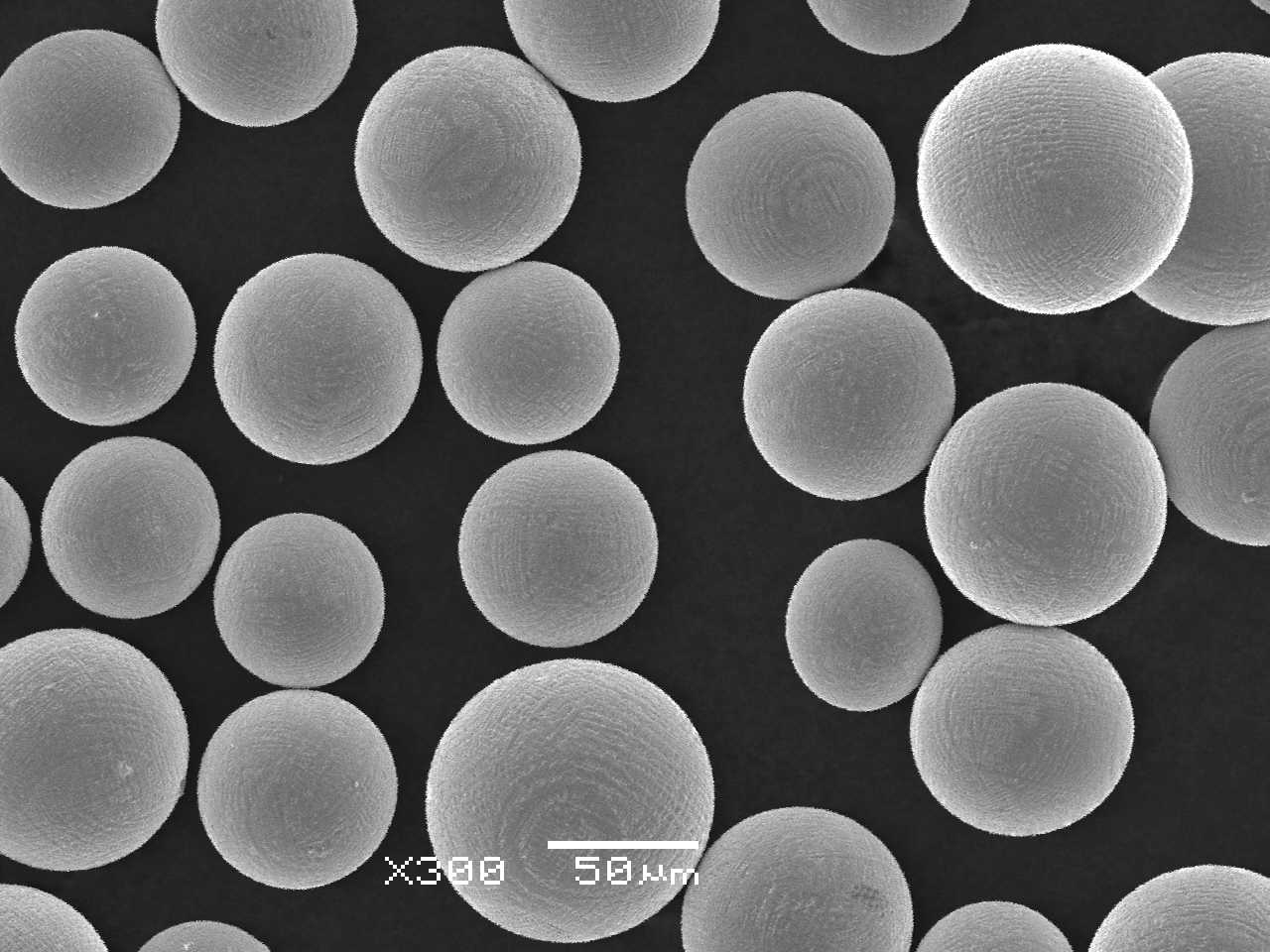
How plasma rotating electrode atomization can create clean, spherical molybdenum feedstock for additive manufacturing.
Molybdenum combines high-temperature strength with useful electrical and thermal conductivity, fatigue resistance and comparatively low toxicity. These properties make it relevant to aerospace, electronics, nuclear and medical programs, yet its very high melting point and difficult machinability limit conventional forming.
Why powder quality matters
Powder-bed fusion, directed energy deposition and related additive routes can create shapes that are difficult to machine. Their success still depends on consistent feedstock. Flowability, oxygen level, morphology and particle-size distribution influence spreading, melting and final density.
What PREP contributes
In plasma rotating electrode processing, a plasma source melts the face of a rapidly rotating molybdenum electrode. Centrifugal force detaches the liquid as droplets; surface tension rounds them during flight, and an inert atmosphere limits contamination. A representative development trial can concentrate more than 80% of powder between 60 and 100 μm with a median near 85 μm, although the final distribution depends on electrode diameter, speed and process settings.
The practical benefit is a highly spherical, low-satellite powder route suitable for qualification in demanding additive applications.
Planning a related powder or additive manufacturing program? Talk with our engineering team →